Amendment to the telecommunications sector law in Timor-Leste
Decree-Law no. 31/2024, of September 6, introduces the first amendment to Decree-Law no. 15/2012, of March 28, which regulates the telecommunications sector in Timor-Leste.
One of the main novelties is the clarification of the types of license applicable to the use of the radio spectrum, eliminating previous ambiguities. Three types of licenses are established: individual, network and general, the latter being mandatory for terminal equipment that allows direct connection to satellites, replacing individual licensing for this type of equipment.
In addition, the law reinforces the need to approve the regulations of the National Communications Authority, especially with regard to setting fees and contributions, which must now be approved by the Council of Ministers and officially published. This adjustment aims to ensure greater transparency and objectivity in setting fees, promoting a more competitive and fairer environment in the telecommunications sector.
Finally, the decree establishes transitional provisions so that the fees and contributions in force remain valid until the approval of new regulations and offers service providers the possibility of requesting the replacement of individual licenses with general licenses.
Notícias Relacionadas

2026-05-11
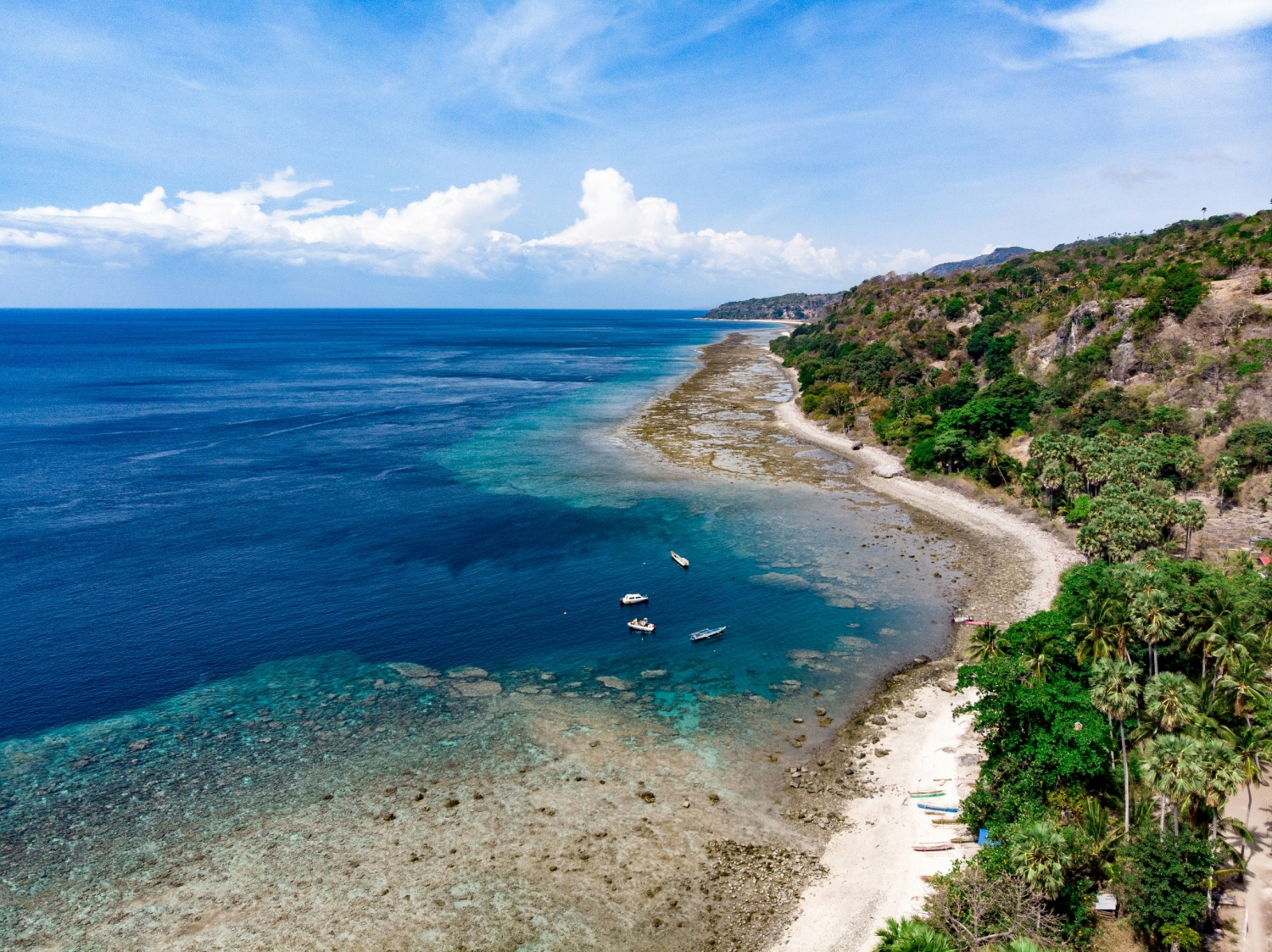
Oil & Gas in Timor-Leste: legal landscape
Timor-Leste is one of the most petroleum-dependent countries in the world. The Oil & Gas sector has been the cornerstone of Timor-Leste's economic growth since its inception as a free nation.
Timor-Leste is on an economic growth path, with GDP increasing by 3.9% in 2025, positioning it as one of the fastest-growing economies in the Asia-Pacific region.
Strategic projects such as Greater Sunrise and Chuditch are central to sustaining petroleum revenues, strengthening energy security and creating opportunities for infrastructure development, local participation and capacity building.
The accession to ASEAN in 2025 strengthens Timor-Leste’s positioning as a prospective regional LNG supplier, particularly as Southeast Asia faces rising natural gas demand driven by energy transition policies and coal-to-gas switching strategies. In combination with sustained Australian demand and broader Indo-Pacific energy security considerations, Timor-Leste has the potential to develop into a key logistical hub within the region with increasing possibilities for the export of oil and gas to the rest of the world, positioning Timor-Leste as a key player in the global energy market.
Read the full guide here.
Read more
2026-05-07
Timor-Leste approves new Corporate Recovery and Insolvency Code
Law No. 9/2025, of 22 December, approved the Corporate Recovery and Insolvency Code (CREI), establishing, for the first time, a structured insolvency and corporate recovery framework in Timor-Leste, aligned with international standards. The CREI applies to both legal entities and individuals owning companies and establishes a dual system based on either company recovery or asset liquidation, with the aim of satisfying creditors while prioritising business continuity whenever possible. The new regime emphasises recovery, simplification and reduced court intervention, creates the Recovery and Insolvency Office (BRI), and introduces mechanisms such as the Reorganisation and Insolvency Proceedings (PRI), creditor negotiation procedures and a cross-border insolvency regime. The CREI will enter into force 180 days after publication, subject to the approval of supplementary legislation.
Read the full Legal Alert here [available only in Portuguese].
Read more
2026-04-24
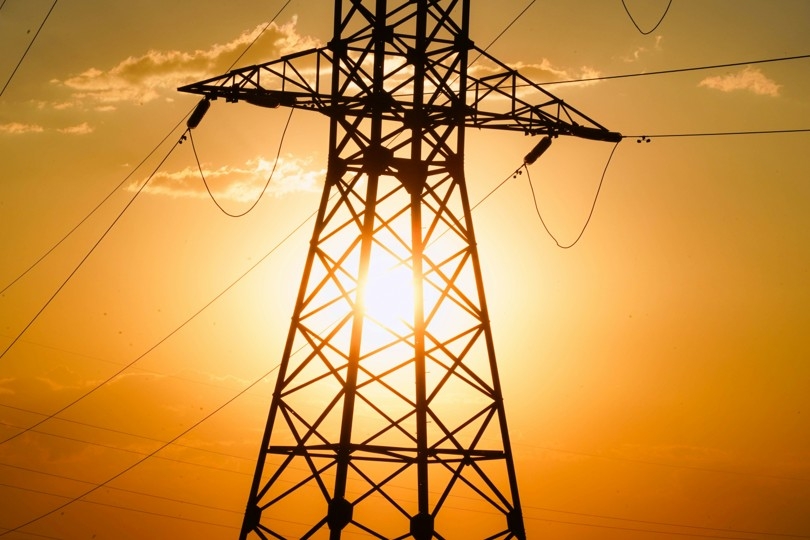
Lukeno Ribeiro Alkatiri is the author of the article ‘The challenge facing Timor-Leste and new energy opportunities’
In an article published in "Jornal Económico", Lukeno Ribeiro Alkatiri discusses the energy transition as one of the key issues on the global agenda.
"As countries seek to reduce greenhouse gas emissions and diversify their energy sources, specific challenges arise in economies that are heavily reliant on fossil fuels. Within the Portuguese-speaking world, Timor-Leste presents a particularly interesting case, as it combines a heavy reliance on oil and gas with a growing interest in renewable energy solutions."
Read the full article here [available only in Portuguese].
Read more

(+670) 777 201 01
Av. Presidente Nicolau Lobato,
Timor Plaza, CBD 3, Level 2, n.º 202.
Dili, Timor-Leste
Timor Plaza, CBD 3, Level 2, n.º 202.
Dili, Timor-Leste
Copyright © JLA 2024. Todos os direito reservados.
by Goweb Agency
by Goweb Agency